- About
- News
- Calendar
- Library
- Publications
- Support
-

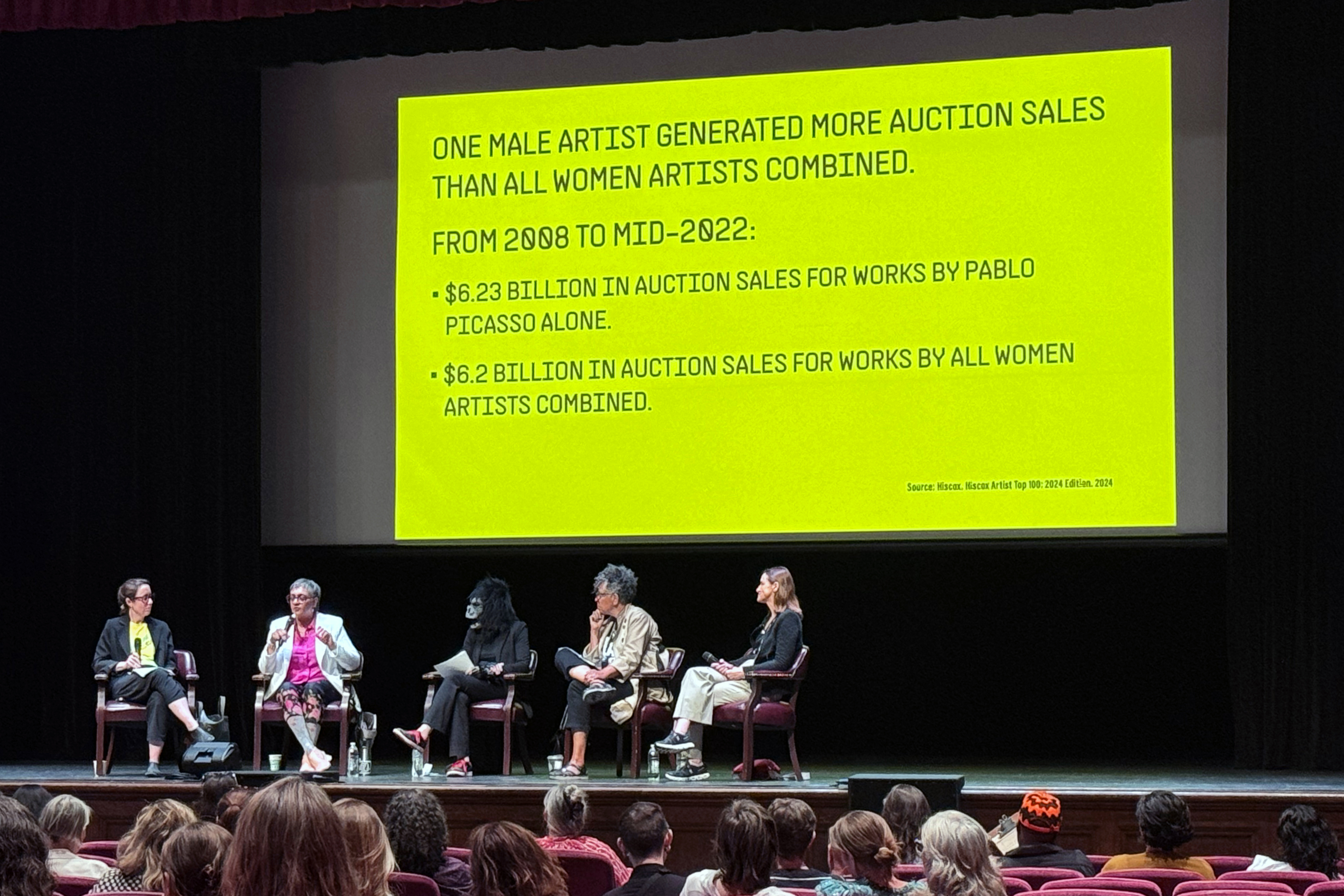 The Judith Center advocates for gender equality through art-centered programming that explores the structural nature of sexism.Current/Upcoming Events
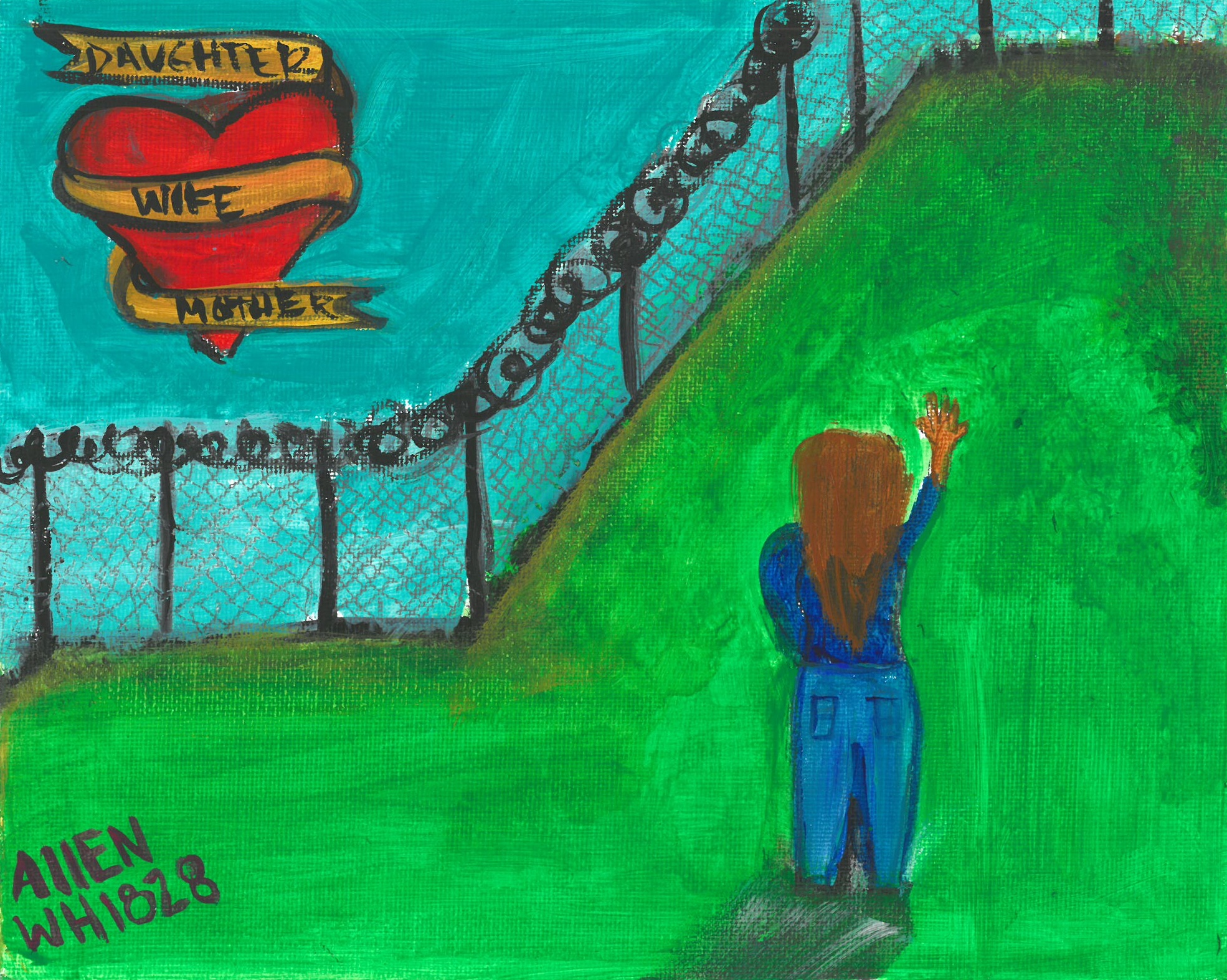 Jennifer Allen, Daughter, Wife, Mother, 2025. Acrylic and oil pastel on canvas, 8 x 10 inchesExhibitionFrom the Inside: Presented by Just Detention InternationalSaturday, June 13 – November 21, 2026
Closing November 21, 2026, 5–8 PM
Open by Appointment
The Judith Center / Los Angeles, CAFrom June 13 to November 21, The Judith Center partners with the nonprofit organization Just Detention International (JDI) to present an exhibition featuring nearly one hundred works by individuals who have experienced trauma behind bars, including those who have been subjected to sexual abuse while incarcerated. The exhibition foregrounds personal testimony and creative expression, bringing visibility to voices that are too often excluded from public and cultural discourse. Founded in 1980, Just Detention International is a health and human rights organization dedicated to ending sexual abuse in all forms of detention. JDI is the only organization in the United States—and globally—focused exclusively on addressing sexual abuse behind bars. Its work includes holding government officials accountable for prisoner rape, challenging the cultural and institutional conditions that allow sexual violence to persist, and ensuring that survivors have access to the support and resources they need. Please email us at info@thejudithcenter.org to schedule an in-person viewing of the exhibition.
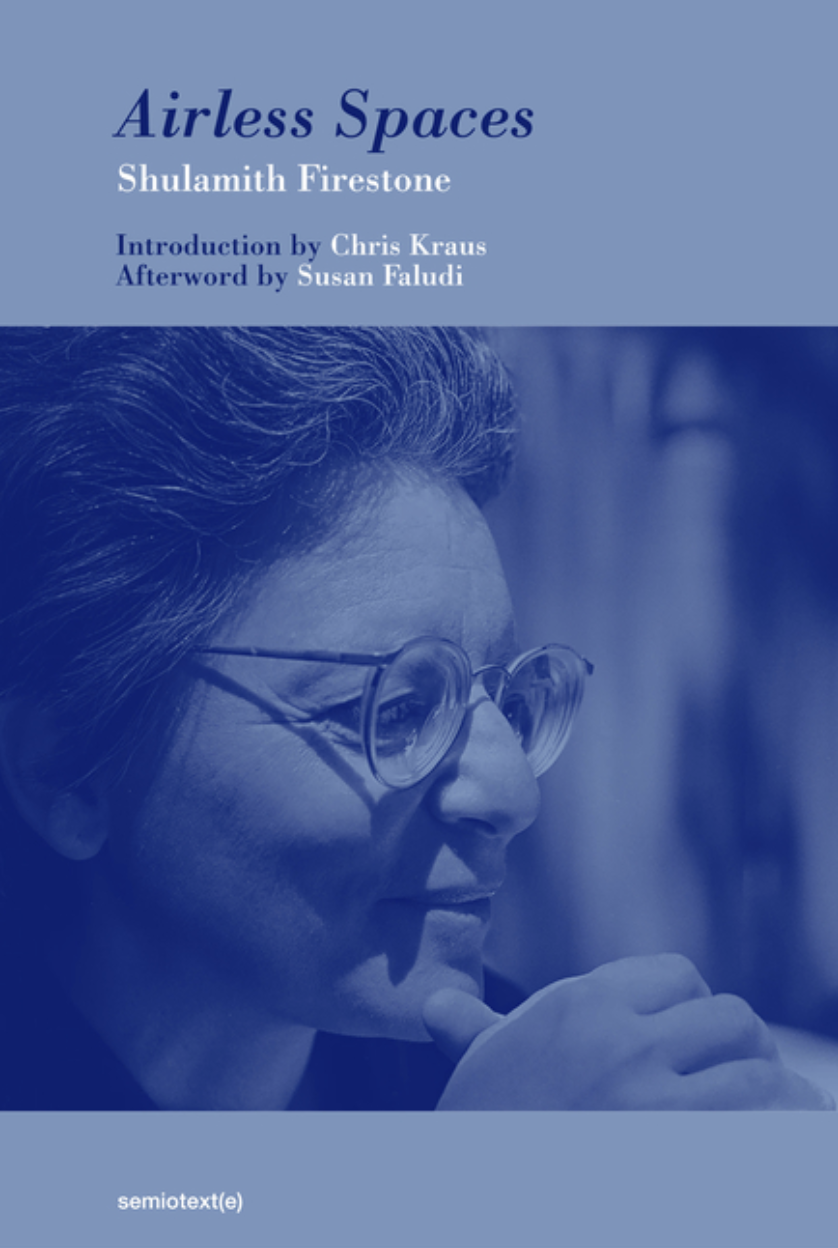 Book Club Session 05Shulamith Firestone: Airless Spaces (1998)Wednesday, October 21, 2026, 7–8:30 PM
The Judith Center / Los Angeles, CABuilding on our earlier examination of the work of Shulamith Firestone, The Judith Center Book Club Session 05 will feature Airless Spaces (1998), Firestone’s first and only work of fiction. Following the critical success of her first book, The Dialectic of Sex (1970), Firestone became disenchanted with the radical feminist movement she had helped establish in New York and withdrew from it, returning instead to the visual arts practice she had begun as a student at the School of the Art Institute of Chicago. Over the following decade, her life became increasingly unstable as she experienced repeated psychiatric hospitalization, culminating in a diagnosis of paranoid schizophrenia in 1987.
The second and final book published in her lifetime, Airless Spaces offers vignettes conjuring the complications and indignities rife within the bureaucracy of mental institutions, informed by Firestone’s own experiences. Following our previous discussion of Sylvère Lotringer’s investigation of “insanity” as a relational dynamic and a classification through which individuals are subjected to control in Mad Like Artaud (2015), we will further consider how mental institutions can subjugate the very patients they purport to cure. In her fictional prose, Firestone insists on the profound humanity of the patients confined within these “systems of care,” a recognition too often withheld from those deemed mentally ill.
We are excited to welcome renowned writer and novelist Chris Kraus as the session's guest speaker. Kraus is co-editor of Semiotext(e), which recently reissued Airless Spaces with a new introduction by Kraus. Participants are encouraged to read Kraus’s text as well as Emmeline Clein’s essay “Never a Patient Woman” (2025).
Find information about the event, where to source the book, and registration for first-time participants here.
DonateThe Judith Center's programs are made possible through grants and the generosity of individual donors and volunteers. We are a
501(c)(3) and all contributions are tax-deductible. Please donate here or contact us here to learn about other ways to support our mission.


